

Is a Master’s Degree in Experimental Psychology Worth It?

Introduction to Experimental Psychology as a Graduate Path
Experimental psychology involves the application of the scientific method to questions about human behavior and human experiences. An experimental psychologist leverages these skills to design experiments, collect data, and analyze the results of those experiments. Students who choose to study experimental psychology at the graduate level are well-prepared to work in labs or to continue on to earn PhDs and pursue careers in academia. A Master’s in Experimental Psychology is not the right option for someone who wants to be a psychologist or therapist and work directly with clients.
So, is an experimental psychology master’s degree worth it? The answer largely depends on individual goals. It can be a fascinating and rewarding career for someone who is passionate about exploring the depths of the human psyche and using science and data to prove or disprove their own hypotheses about psychological issues. The earning potential for experimental psychology is mostly on par with other psychology specialties, but it can sometimes vary widely, depending on the specific career path.
What Determines the Value of a Master’s in Experimental Psychology?
There is not an objective answer or dollar value that can be assigned to an experimental psychology master’s degree. Its value ultimately depends on how a student leverages the research skills, analytical training, and academic foundation it provides to advance their career or educational goals.
- Skills: Experimental psychology graduates become deeply experienced with the scientific method, designing experiments, and analyzing data. These skills can be widely applicable in many laboratory-based jobs or future academic work.
- Career Flexibility: Although most students who graduate with a doctorate of psychology (PsyD) or related degree, such as a master’s in social work (MSW), go on to work as therapists, a wider range of job titles are available to experimental psychologists, including lab manager, consultant, and researcher. This flexible career path can be very appealing and allow for more exploration of different types of work over the course of a life-long career.
- Outcomes: Graduates with an an experimental psychology master’s degree can apply advanced research design, quantitative analysis, and experimental methodology skills in academic research, lab-based roles, psychological consulting, and other data-focused careers, or continue their education in doctoral programs.
Core Components of an Experimental Psychology Master’s Program
The core components of an experimental psychology master’s program include research methods and experimental design, quantitative analysis and statistics, ethics and human-subject research, and completing a capstone or thesis project.
Research Methods & Experimental Design
- Critical to developing high-quality data based on the scientific method
- Prepares students to conceive and plan effective research studies
Quantitative Analysis & Statistics
- Expands essential skills for evaluating research data
- Prepares students to effectively work with data in a variety of professional settings
Capstone or Thesis Project
- A culminating independent final research project that demonstrates mastery of skills developed during the program
- Typically requires supervisor approval of topic
- Prepares students to embark on research careers or continue in academia as doctoral students
Career Outcomes, Data Trends, and Graduate-Level ROI

What can you do with a master’s in psychology? The types of skills developed by graduates of MA in Psychology programs can have wide-ranging applications that impact the career outcomes for this particular degree. A path in academia is certainly one of the possible experimental psychology master's career outcomes, with possible roles as research assistants, lab assistants, and lab managers. Graduates of a master’s program may also choose to go on to earn PhD or PsyD degrees, depending on their career goals.
Outside of academia, the demand is increasing for data-literate behavioral science professionals in different industries, including technology. In fact, research from Forrester found that more than 70% of employees in all industries are expected to work heavily with data by 2025, which is a massive increase since 2018. The demand is particularly strong in the fields of user experience (UX) and behavioral research.
MA in Psychology graduates who have a thorough understanding of research methodologies and quantitative analysis may have an advantage when applying for these types of technical jobs. UX designers just starting their careers can earn between $76,000 and $151,000 per year, depending on experience and where they are based.
This is a significant return on investment for the cost of a master’s program.
Benefits of an Experimental Psychology Master’s Degree
There are educational, professional, and practical benefits to earning an experimental psychology master’s degree. For example, graduates can benefit from advanced research competency in nearly any future career field. Research and analytical skills are particularly valuable for students who want to go on to pursue doctoral studies. Outside of academia, experimental psychology master’s graduates benefit from transferable skills in data analysis, analytical thinking, and critical thinking.
Practically speaking, graduates can apply the skills they learn in their MA programs in many ways as they pursue their professional lives. Research and analytical skills are highly valued as more companies invest in data-driven policies across the board, from marketing to human resources to design.
For graduates who want to go on to earn doctoral-level degrees, completing an MA program is an essential first step, particularly for career-changers. An MA in Experimental Psychology shows PhD program admissions committees that applicants can handle high-level coursework, have the foundational skills required, and are dedicated to their particular field, based on the investment of time and capital already dedicated to completing a master’s degree.
Experimental Psychology vs. Other Psychology Master’s Degrees
A master’s in experimental psychology is different from other psychology graduate degree paths because it emphasizes research design, data analysis, and laboratory-based study. When choosing a psychology master’s program, it’s important to select the degree that best aligns with your long-term career goals.
Master’s in Experimental Psychology
A master’s in experimental psychology focuses on building advanced research skills and preparing students for doctoral-level study or research-focused careers.
- Emphasis on designing experiments and analyzing behavioral data
- Work often takes place in laboratory or academic research settings
- Skills are transferable across many industries and PhD programs
Master’s in Clinical Psychology
Clinical psychology programs are designed for students interested in working directly with patients in therapeutic or diagnostic environments.
- Focus on mental health counseling, assessment, and intervention
- Often includes specialization in specific populations or conditions
- Doctoral training and licensure are typically required for professional practice
Master’s in General Psychology
A general psychology master’s degree provides broad exposure to multiple subfields within psychology.
- Covers a wide range of psychology topics rather than one specialty
- Includes some research experience, though research is not the primary focus
- Can help students determine whether they want to pursue a future PhD
Masters in Applied Psychology
Applied psychology programs emphasize using psychological principles in practical, real-world settings outside of traditional clinical care.
- Focus on applying behavioral science to workplace or organizational challenges
- Common career paths include HR, UX research, forensic settings, and consulting
- Graduates often work in businesses, schools, hospitals, government, or corporate environments
Tools, Research Skills, and How Students Apply What They Learn
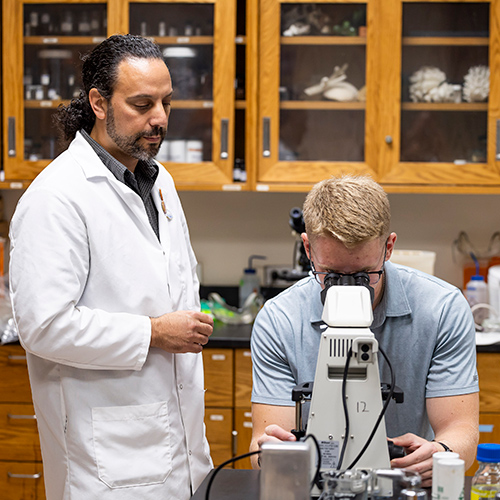
During the course of the master’s in experimental psychology program, students learn foundational skills for developing experiments and analyzing data. They also have the opportunity to apply what they learn in their courses, lab work, and as part of their theses projects.
Students may learn a variety of commonly used tools and systems that will prepare them for real-world analysis, such as statistical modeling tools and research databases like PsychArticles, ERIC, and ScienceDirect. Those who are interested in experimental psychology programs should explore the options for the programs they are considering to ensure they align with their interests and career goals. Graduate advisors can help students determine if the program is a good fit and map out a potential pathway to graduation.
FREQUENTLY ASKED QUESTIONS
Employers evaluate the value of a master’s in experimental psychology compared to applied psychology degrees based on their needs and the demonstrated skills of each applicant. An experimental psychology graduate knows how to select, design, and execute experiments that attempt to answer questions about human (and animal) behaviors. These skills can be valuable to employers with science-driven business objectives that require experimentation and data analysis. On the other hand, applied psychology degree-holders are more likely to be well-versed in applying psychological methodologies and concepts to the real world. For businesses looking to analyze and improve teams or organizational structures, an applied psychology degree might be more valuable.
Students who transition from an experimental psychology master’s degree into a doctoral program can find certain aspects challenging, particularly expectations for independent research and motivation. As opposed to master’s degree programs, doctoral level psychology programs (and indeed most doctoral programs) expect students to be largely independent in their research and in moving their degree progress forward. PhD programs are not focused on coursework, instead allowing students to take the reins of their own experience. Along with this independence comes very high expectations. Doctoral programs are notoriously competitive, meaning that the caliber of graduating PhD students should be of the highest standards. Managing time and finding a manageable balance between PhD work and personal obligations is a frequent challenge for people transitioning from a master’s program.
Master’s degree programs that include intense research (e.g., a required thesis project) can improve long-term career flexibility by giving graduates critical skills that carry from job to job. According to the World Economic Forum,6 Americans have an average of 12 jobs by the time they turn 55, and core skills needed to continue employment should be updated every five years. The skills learned by master’s of experimental psychology graduates who complete various research requirements are likely to stay relevant for much longer. Even as employment opportunities and technologies change, that means these graduates will still be deriving value from their master’s degrees. Research is a crucial part of many different businesses, not just academia. By being able to look at a problem and design an experiment that will help lead to the solution, master’s graduates are well-prepared to enter the working world and find employment over the course of their careers.
Some of the most common misconceptions about job prospects with an experimental psychology degree involve the necessity of earning a PhD to find employment as well as the overall low value of a master’s degree in experimental psychology. In reality, a PhD is required for certain careers, but it is not a requirement to work in many areas in the field of psychology. A master’s degree does not prepare students for certain types of licensure, but it does prepare graduates for a range of jobs, including roles that focus on user experience research, laboratory assistance, and government employment. A master’s degree in experimental psychology does not preclude graduates from pursuing a PhD or a career in academia, but it is not a requirement and not the path that the majority of graduates take.
Students who plan to apply to master’s in experimental psychology programs can compare outcomes before enrolling by exploring the program website, reaching out to admissions counselors in the graduate school, and speaking with alumni. No program can guarantee a certain professional outcome for its graduates, but looking at past performance in terms of employment rates and any other available data can be helpful. For instance, if there is a specific position, company, or organization that you want to work for, it is a good idea to find out if any graduates of the program you are considering have gone on to work there. Similarly, if you plan to seek a PhD after completing your master’s, it's important to research which programs alumni have gone on to complete. Every situation is unique, but it is always wise to understand the average future performance of graduates of a program before committing to it.