


Speech-Language Pathology: A Career That's Both Clinical and Human
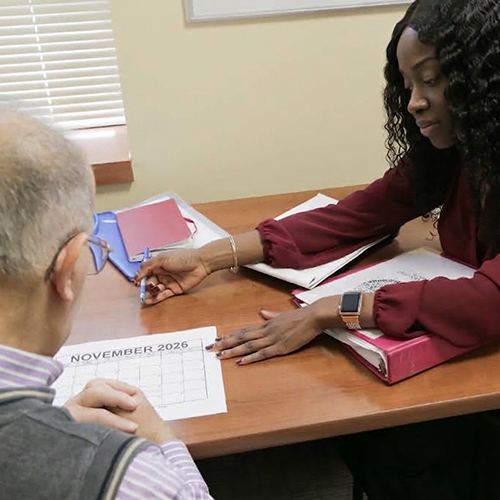
Think about what it means to lose the ability to communicate. Not just to speak, but to find words, to swallow safely, to make yourself understood to the people around you. For patients recovering from a stroke, for children with significant language delays, for adults navigating neurological disease, that loss is not abstract. It touches nearly every dimension of daily life.
Speech-language pathologists work to restore what's been lost and build what hasn't yet developed. It is a speech therapy career that requires genuine clinical expertise and produces outcomes that are deeply personal. For students exploring this path, programs like Iona University's Communication Sciences and Disorders program are designed to build exactly that combination of precision and human skill from the ground up.
What Speech-Language Pathologists Actually Do
The speech-language pathologist scope of practice is considerably wider than most people outside the field expect. SLPs assess and treat a broad range of communication and swallowing disorders across the lifespan.
On the communication side, this includes articulation disorders, language processing disorders, fluency disorders such as stuttering, and voice disorders involving pitch or resonance. SLPs also work with individuals who use augmentative and alternative communication systems.
Less visible to most people is the swallowing side of practice. Dysphagia, or difficulty swallowing, is a significant clinical area, particularly for patients recovering from stroke, head and neck cancer treatment, or neurological disease. SLPs assess swallowing function, identify aspiration risk, and develop treatment plans that can determine whether a patient eats independently or requires a feeding tube. The populations served span the full lifespan: infants in early intervention, school-age children, adults managing acquired neurological conditions, and elderly patients with age-related changes. Students in Iona's CSD program begin building competency across this full scope from their first year of study.
Why Demand for SLPs Is Growing
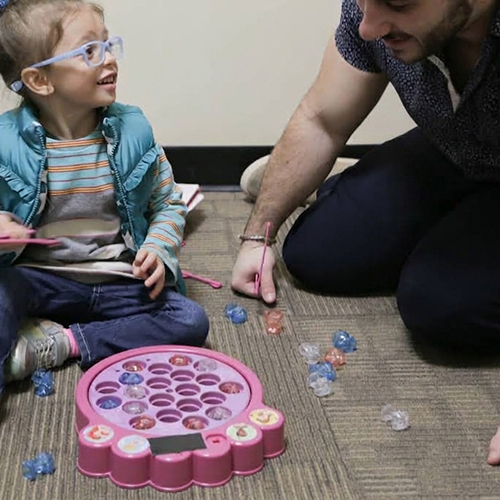
The speech-language pathology job outlook is strong, with the Bureau of Labor Statistics projecting employment growth faster than average for all occupations in the coming decade. The structural reasons are durable.
The aging U.S. population is the most significant driver on the adult side. Stroke, dementia, Parkinson's disease, and other neurological conditions affecting communication and swallowing become more prevalent with age, and that population is growing. On the pediatric side, increased awareness and earlier identification of communication disorders has expanded the number of children receiving services.
SLP demand remains particularly acute in rural schools, medically underserved communities, and early intervention programs where staffing is chronically thin. This communication disorders career offers strong employment options across a wide geographic range, and the growth of telepractice has expanded access even further.
What Makes SLP Different From Other Clinical Careers
People who work in speech-language pathology often describe the work in terms that don't fit a standard clinical job description. SLPs frequently work with patients over extended periods, sometimes months or years, which creates the conditions for genuine therapeutic relationships.
The targets of treatment are also unusually meaningful. Communication is how people maintain relationships, express needs, and participate in their communities. When treatment produces real change in a patient's ability to communicate or eat safely, the impact registers across their entire life.
The speech therapy career is also creative in ways that aren't always apparent from the outside. No two patients present the same way, and SLPs are constantly adapting approaches and solving problems without single correct answers. For people who want clinical rigor without clinical rigidity, it is a field worth serious consideration.
The Path Into the Field
Knowing how to become a speech-language pathologist starts with understanding that clinical practice requires a master's degree in communication sciences and disorders. This is not a bachelor's-level entry field — the clinical depth required for independent practice demands graduate-level preparation.
After completing a CSD graduate program, graduates complete a Clinical Fellowship Year, a period of supervised clinical practice required before applying for the ASHA Certificate of Clinical Competence (CCC-SLP). State licensure requirements run parallel and vary by state. ASHA accreditation of your master's in communication sciences program is required for CCC-SLP eligibility, which makes program selection a meaningful decision.
Iona University's Communication Sciences and Disorders program holds ASHA accreditation and is designed to carry students from foundational coursework through the supervised clinical preparation required for licensure and beyond. If this career sounds like the right fit, apply now or reach out to the graduate admissions team to learn more about the CSD program and the path into the field.
Frequently Asked Questions
What does a speech-language pathologist do every day?
Daily work varies by setting. School-based SLPs see students individually or in small groups to address articulation, language, or processing goals. Hospital-based SLPs conduct evaluations, complete swallowing assessments, and develop treatment plans for patients with acquired disorders. Most SLPs also spend time on documentation, collaboration with other providers, and family communication.
How long does it take to become a speech-language pathologist?
A master's degree typically takes two years for full-time students. After graduation, candidates complete a Clinical Fellowship Year of supervised practice, generally nine months to a year of full-time work. The path from starting a master's program to independent licensure is typically three to four years.
Is speech-language pathology a good career?
By most measures, yes. The field offers strong job growth projections, meaningful work, competitive compensation, and genuine flexibility across settings and populations. SLPs consistently report high career satisfaction, particularly where they can see longitudinal patient progress.
What's the difference between a speech therapist and a speech-language pathologist?
The terms are often used interchangeably. Speech-language pathologist is the correct professional title. "Speech therapist" is an informal term that has persisted in common usage. Both refer to the same licensed clinical profession.
Do SLPs work with adults or only children?
SLPs work across the full lifespan. While school-based SLP is the most publicly visible part of the profession, a substantial portion of the field serves adult patients in hospitals, rehabilitation centers, and skilled nursing facilities, focusing on acquired neurological conditions and swallowing disorders.