


What Does a Family Nurse Practitioner Do?
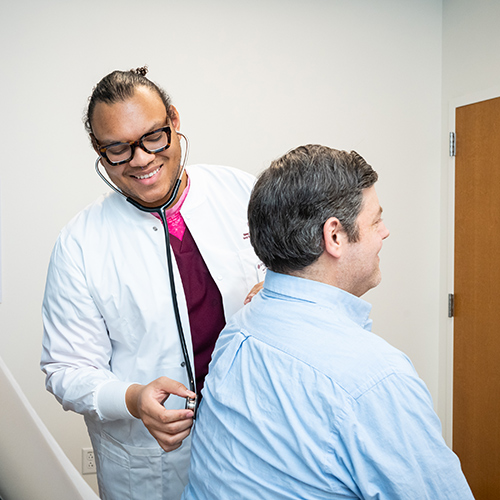
If you are a registered nurse who has felt the pull to do more, take ownership of a diagnosis, build long-term relationships with patients, and lead a team in care decisions rather than supporting them, becoming a Family Nurse Practitioner may be the next step you need to take to advance your career.
Family Nurse Practitioners, commonly known as FNPs, are advanced practice registered nurses who serve as primary care providers for patients of all ages. They are qualified to assess, diagnose, treat, and manage a wide range of health conditions, making them one of the most versatile and impactful professionals in modern healthcare.
Programs like the Family Nurse Practitioner (MS) Program at Iona University prepares nurses for exactly that transition. The degree combines comprehensive clinical preparation with a curriculum structure designed for working professionals, enabling you to advance your practice without pausing your career.
The Core Responsibilities of a Family Nurse Practitioner
The heart of the FNP role is the ability to provide comprehensive, independent clinical care. FNPs are qualified to assess, diagnose, treat, and manage a wide range of health conditions independently, leading clinical decision-making and establishing care plans.
On a day-to-day basis, Family Nurse Practitioners conduct physical exams and health assessments, order and interpret diagnostic tests, diagnose acute and chronic conditions, develop and manage individualized treatment plans, prescribe medications and monitor their effectiveness, provide patient education and counseling, and promote preventive healthcare and long-term wellness.
The scope of an FNP's clinical knowledge extends well beyond traditional nursing fundamentals. To effectively serve patients across the lifespan, FNPs must understand biostatistics and epidemiology, digital health and informatics, evidence-based practice, and mental health assessment — all in service of a holistic view of family health that spans physical, emotional, mental, and spiritual well-being.
While many healthcare providers see patients sporadically, FNPs often become a trusted, consistent presence in a patient's life over many years. This level of clinical ownership and depth of patient relationship is what draws many experienced nurses to advanced practice.
Who Do Family Nurse Practitioners Care For?
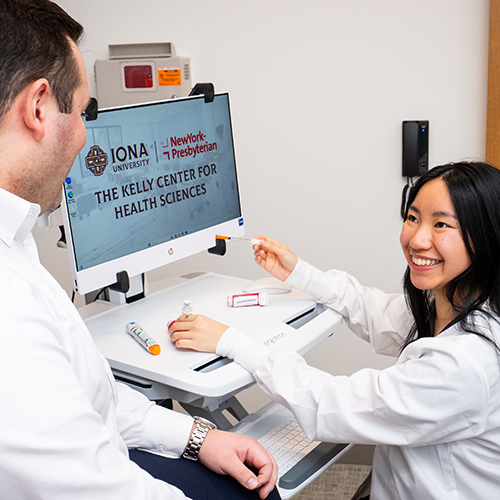
One of the most distinctive aspects of the FNP role is the range of patients they care for each day. Family Nurse Practitioners are educated to provide care across the entire lifespan, meaning they are equipped to treat pediatric patients, adolescents, adults, and geriatric patients within the same practice.
This reflects a whole-family approach to care that both FNPs and patients find deeply rewarding. An FNP may care for a newborn and continue to provide care for that child through adolescence, while simultaneously treating the parents for chronic conditions in their adult years and the grandparents in their senior years. That continuity creates a depth of relationship that is both professionally meaningful and genuinely better for patients.
For nurses who are drawn to developing long-term connections with the people they care for, the FNP role offers something that few other positions in healthcare can provide — lifelong relationships.
Where Do Family Nurse Practitioners Work?
The settings in which FNPs practice are as varied as the patients they serve. Family Nurse Practitioners are qualified to work across a wide range of healthcare environments, giving graduates strong flexibility in where and how they build their careers. Options include:
- Primary care clinics and private practices
- Community health centers
- Urgent care and retail clinics
- Hospital outpatient departments
- Specialty clinics across disciplines such as cardiology, dermatology, endocrinology, gastroenterology, pediatrics, pulmonology, orthopedics, and women's health
Whether working in a busy urban community health center or a private family practice, the skills and training of a Family Nurse Practitioner translate well across different environments and patient needs. That flexibility is also reflected in the strong demand for the role — according to the New York State Department of Labor, employment for Nurse Practitioners is expected to grow by 26% between 2022 and 2032, with approximately 440 job openings annually in New York alone.
The Impact Family Nurse Practitioners Have on Their Communities
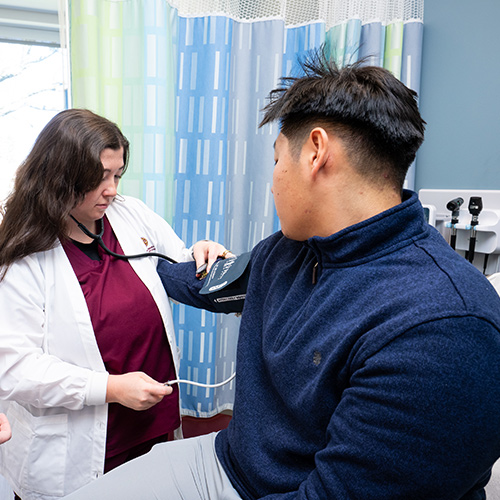
Beyond their clinical responsibilities, Family Nurse Practitioners play an important role in the overall health of the communities they serve. As primary care providers, FNPs focus not only on treating illness but also on promoting long-term health and wellness across their patient population.
Because modern patient care increasingly requires collaboration across disciplines, FNPs are also expected to work effectively alongside physicians, specialists, and other healthcare professionals. That interprofessional dimension of the role is central to delivering coordinated, high-quality care in today's healthcare environment.
Through preventive care, early diagnosis, and consistent management of chronic conditions, FNPs contribute to better health outcomes for individuals and families over time. That focus on continuity and whole-person care is what distinguishes primary care from episodic treatment, and it is central to the Family Nurse Practitioner role.
For nurses who want to make a sustained and meaningful contribution to public health, the Family Nurse Practitioner role provides a direct and well-defined path to do so.
Interested in Becoming a Family Nurse Practitioner?
For registered nurses ready to take the next step toward advanced practice, graduate education is the pathway forward. A well-structured FNP graduate program will build on your existing clinical foundation, develop your diagnostic and clinical management skills, and prepare you to achieve national certification.
The NewYork-Presbyterian Iona School of Nursing & Health Sciences recently launched its Family Nurse Practitioner (MS) Program, which is a 44-credit hybrid program designed specifically for working nurses. The program combines in-person instruction with asynchronous online learning, allowing students to continue working throughout their studies. Students complete 800 hours of direct clinical practice with expert preceptors, with practicum placements supported by program faculty. The program is accredited by the Commission on Collegiate Nursing Education (CCNE), and graduates are eligible to sit for national board certification.
To learn more, apply for graduate school or contact Daniel Gallagher, Director of Graduate Admissions, at dgallagher@iona.edu or (914) 637-7770.
Frequently Asked Questions
What age groups do Family Nurse Practitioners treat?
Family Nurse Practitioners are educated to provide care across the full lifespan, from pediatric patients and adolescents through to adults and senior adults. They often serve as the primary care provider for an entire family.
What does a work day look like for a Family Nurse Practitioner?
Although it varies by setting, a typical day for a FNP may include conducting physical exams, ordering and interpreting diagnostic tests, diagnosing and treating acute and chronic conditions, developing treatment plans, and providing patient education and preventive health counseling.
Is a Family Nurse Practitioner the same as a primary care doctor?
No, although their roles share similarities. FNPs are advanced practice registered nurses educated to provide comprehensive primary care independently. They work within their own scope of practice and serve as a patient's primary care provider in many settings.
What conditions do Family Nurse Practitioners commonly treat?
FNPs diagnose and manage a wide range of acute and chronic conditions across the lifespan, from common illnesses and injuries to ongoing conditions such as diabetes, hypertension, and respiratory disorders. They also manage preventive care and wellness promotion.
Can a Family Nurse Practitioner serve as my primary care provider?
Yes. Family Nurse Practitioners are qualified to serve as a primary care provider for individuals and families, which allows them to provide continuity of care across all stages of life.