

Interprofessional Education (IPE) at Iona University
Interprofessional Education (IPE) at Iona University
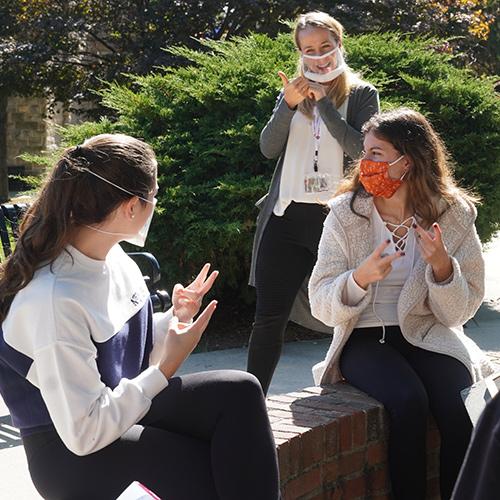
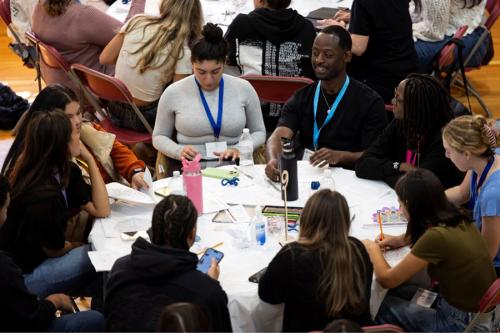
Interprofessional Education (IPE) prepares students to work collaboratively across disciplines, an essential skill in today’s healthcare, educational, and community-based environments, to address the complex needs of individuals, families, and communities. Through IPE, students learn about, from, and with one another while developing the collaboration and communication skills required to function effectively as part of an integrated professional team and support individuals, families, and communities.
In today’s healthcare, educational, and community-based environments, no single profession can meet the full scope of human needs alone. IPE strengthens communication, fosters mutual respect, and promotes shared decision-making, all of which are essential to improving outcomes, enhancing wellbeing, and advancing equity across the lifespan.
At Iona University, IPE is embedded as a core educational approach and experiences are incorporated into the academic and professional preparation that equips students to deliver high-quality, person-centered, collaborative services in real-world settings. IPE prepares future professionals to enter the workforce, ready to engage in team-based, person-centered practice that promotes wellbeing, equity, and quality outcomes across healthcare, educational, and community settings.
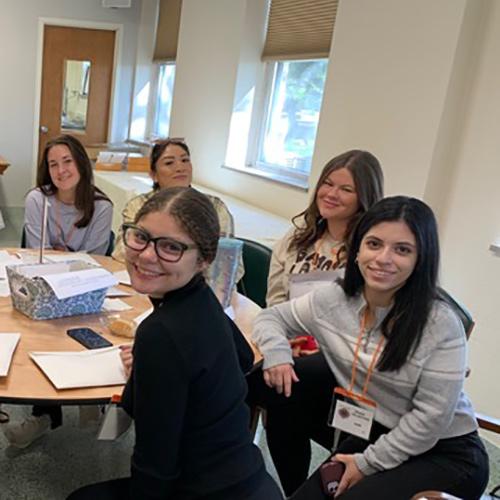
I really liked getting to hear about the different disciplines outlooks and their ways to apply their information to different situations. It will definitely benefit me in the real world.
What Students Gain Through IPE and Why It Is Important
- Strong communication and teamwork skills
- Experience collaborating across professions
- Preparation for person-centered, coordinated care
- Greater cultural awareness and an understanding of equity-minded practice
- Tools for professional resilience and self-care
- Leadership skills to advocate for collaborative practice
IPE prepares our students not only to succeed in their selected profession, but also make a meaningful impact as part of a collaborative team.
Community and clinical partners also play a vital role in shaping meaningful interprofessional learning experiences. Through partnership, organizations benefit from:
- Students prepared for collaborative, integrated practice
- Engagement with equity-minded, trauma-informed learners
- Opportunities to influence workforce development
- Enhanced coordination across disciplines
- Participation in innovative educational and practice models
Academic Programs Participating in IPE
Students from the following programs engage in interprofessional learning experiences:
- Communication Sciences & Disorders (graduate program)
- Marriage & Family Therapy
- Mental Health Counseling
- Nursing
- Occupational Therapy
- School Psychology
- Social Work
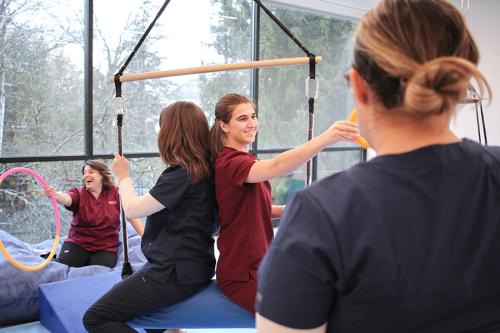
I understood theoretically that the disciplines complement each other and build quality. However, seeing it in live action really strengthened my understanding of how my own role fits in as well as the roles of the other team members. Additionally, the true power of the combined effort was really made clear in this process.
Our Vision, Mission and Goals for IPE at Iona University
Vision
Iona University will be globally recognized as a leader in interprofessional education and collaborative practice. Iona graduates will be professionals known for delivering high-quality, coordinated services across healthcare, educational, and community settings, improving outcomes and promoting wellbeing across the lifespan.
Mission
The mission of the IPE at Iona University is to prepare equity-minded practitioners for excellence in interprofessional collaborative practice and to advance innovation, scholarship, and leadership in interprofessional education.
Goals
1. Develop reflective, collaborative practitioners who are:
- Aware of how personal and professional identities influence relationships with colleagues and those they serve
- Committed to ethical, person-centered interprofessional practice
- Skilled in clear, respectful communication that supports integrated service delivery
- Capable of providing trauma-informed, culturally responsive care
- Adept at self-care strategies that support professional sustainability
- Prepared to serve as change agents advancing racial, social, economic, and environmental justice
- Equipped to advocate for interprofessional practice within their organizations and communities
2. Support and strengthen interprofessional initiatives in educational, healthcare, and community-based settings.
3. Advocate for systemic change within educational and healthcare systems to foster environments that sustain collaborative practice.
4. Advance research and scholarship in interprofessional education, training, and practice.