

Careers in Speech & Language Pathology
Speech Pathology Careers
Careers in speech and language pathology are ideal for dedicated individuals who want to help people communicate, process language, and swallow effectively. Students who study speech-language pathology can pursue careers as speech-language pathologists (SLPs) or audiologists who work with patients. Alternatively, they could go on to pursue further academic training or research in the field.
Why Choose a Career in Speech Pathology?
Choosing a career in speech pathology is an excellent way to leverage academic knowledge of speech and communication disorders along with a desire to serve a range of people. SLPs and those who pursue other careers in speech and language pathology can have a significant impact on the communication skills and abilities of their clients, potentially improving their overall quality of life. From improving literacy skills in underserved populations to helping rehabilitate swallowing capabilities for people who have had strokes, an SLP can have a significant impact in many ways.
According to the Bureau of Labor Statistics, the demand for SLPs is expected to outpace the average demand for all other occupations in the coming decade, particularly in educational settings, which employ more than 40% of SLPs.
Diverse Work Settings for Speech Pathologists
Speech pathology careers can include a variety of work settings. SLPs may choose to specialize in one area and grow their careers in that setting, or they may take a more generalized approach and work in different settings over the course of their careers.
The most common work environments for SLPs and other speech-language pathology career paths include:
- Schools and Early Intervention: Many school districts provide students and their families with access to SLP assessments and treatments. In a school or early intervention setting, SLPs can help children with delayed language skills catch up with their classmates while developing relationships with caregivers that allow them to practice and grow their skills at home. As of 2024, around 40% of SLPs work in state, local, or private educational institutions.
- Hospitals, Clinics, and Rehabilitation Centers: Speech-language pathologists are also in high demand in specialized healthcare settings, including hospitals, clinics, and rehabilitation facilities. In these types of settings, SLPs may work with people who have suffered from an acute trauma, such as a stroke, or are dealing with cognitive decline or impairment due to various diagnoses. SLPs in a healthcare setting will be tasked not only with direct patient care, but also with creating holistic treatment plans in conjunction with physical therapists, occupational therapists, and other healthcare providers. As of 2024, around 18% of SLPs work in hospitals, clinics, and nursing care facilities.
- Private Practice and Telepractice: According to the BLS, 26% of SLPs work in private practice. Independent SLPs may choose to work with a specific population, or they may work across the life spectrum, addressing all types of patient needs. SLPs in private practice may also choose to provide telehealth appointments, which allows them to serve an even wider range of clientele who may have limited access to speech pathology services.
Specialized Career Tracks in Speech Pathology
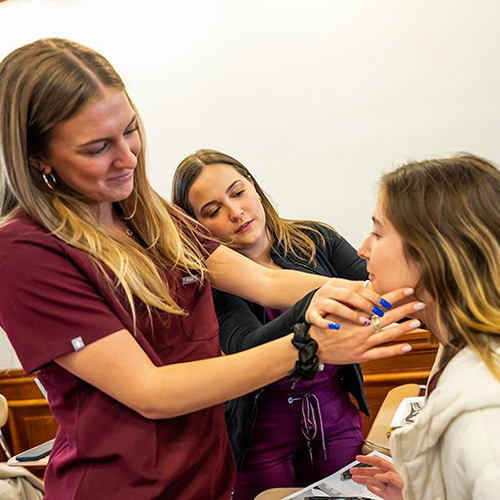
Studying speech pathology can open the doors to careers related to speech language pathology, including careers in audiology and speech pathology and specialized sectors within those careers. For example, SLPs may choose to specialize and work with a specific age group. A pediatric SLP could work with infants, toddlers, or children and adolescents all the way up to the age of 18. On the other end of the spectrum, a gerontologic SLP works with older adults and specializes in the issues that are more common to them.
Speech-language pathology careers may also focus on specific treatment types or disorders. For example, some SLPs specialize in neurological rehabilitation, as it is required for people who have a stroke or suffer from a traumatic brain injury that impacts their ability to speak, understand language, or swallow. SLPs may also focus on issues such as voice and fluency disorders or dysphagia and swallowing therapy.
Skills That Define a Successful SLP
Successful SLPs come from all walks of life and backgrounds. However, developing certain skills is critical to establishing long and fulfilling careers in the field. First, clinical expertise is crucial. Speech-language pathologists must be familiar with the types of disorders and presentations they will most commonly encounter, and they should stay up to date on research and developments that could impact how they treat their patients.
As with any healthcare career, communication skills are essential for a successful SLP. In many cases, SLPs are expected not only to communicate clearly with their patients and their patients’ caregivers, but also to collaborate with a range of other healthcare professionals as part of a care team. Being able to both understand treatment objectives and clearly state plans and rationale for those plans will help SLPs develop and maintain professional relationships that will serve them throughout their careers.
Finally, adaptability is a core skill for SLPs to perfect. In addition to mastering technology that facilitates telehealth, SLPs may choose to use mobile apps, tablets, and future technologies that eventually emerge to best serve their patients. Being able to learn, adapt, and optimize their practice will help SLPs stay relevant and succeed.
Career Outlook & Industry Trends
According to the BLS, the demand for speech-language pathologists is expected to increase by 15% between 2024 and 2034, which is much faster than the average growth projected for all other professions. As of 2024, the average salary for SLPs was $95,410 per year across the U.S., with the top 10% earning $132,850 per year. At 16,250, New York ranks second after Texas as the state employing the most SLPs, the majority of whom work in the New York metropolitan area.
A 2024 analysis from the National Institutes for Health (NIH) found that providing SLP services via telehealth (either video or phone) can be a viable alternative for patients who are unable or unwilling to access in-person services. As a result, in the next few years, there is likely to be an increased demand for these types of services, meaning SLPs will be able to help more patients overall.
Finally, the U.S. population is aging and is expected to include more than 40 million adults older than 65 by the year 2040. Older adults utilize healthcare services, including speech-language pathology, at a higher rate, meaning there will be more demand for the profession in the coming decades.

How Iona Prepares You for Success
Iona University is committed to the success of its students in all departments. Undergraduate students can explore a speech-language pathology & audiology (BA) and graduate studies are available in the form of a Master of Communication Sciences and Disorders to prepare candidates for credentialing and a professional career.
SLPs must complete a minimum of a master’s degree to practice independently. The master’s program at Iona includes advising and mentorship from Iona’s dedicated SLP faculty. Most students can complete the program in as little as two years. Graduate students have the opportunity to start clinical work right away, with first semester students working with a variety of clients in the Speech, Language, and Hearing Clinic.
Internships beyond the Iona walls are also a crucial part of the program. As part of our partnership with New York-Presbyterian Hospital, graduate students can participate in clinicals and rotations at those facilities in and around the New York City metropolitan area, which is ranked among the top hospital systems in the nation.
More than 97% of students who have graduated from the Master of Communication Sciences and Disorders program find employment in the field within one year of graduation. Alumni indicate that the program has helped them cultivate critical thinking skills, and they celebrate the dedicated educators who serve as the backbone of the program.
Taking the Next Step in Your Career
Now that you know how to become a speech pathologist and why it can be a rewarding career, take the time to explore Iona’s graduate speech pathology program. Reach out to our admissions team to request more information, schedule a tour, or start your application today.
FAQS
According to the U.S. Bureau of Labor Statistics, the most common workplaces for speech-language pathologists are schools and educational facilities, hospitals, and private clinics. More than 40% of SLPs work in schools, supporting children with speech or language delays. Hospitals and rehabilitation centers employ around 18% of SLPs, often focusing on stroke recovery, brain injuries, and swallowing disorders. Another 26% of SLPs work in private practice, where they can specialize in pediatrics, adult care, or offer telepractice services.
Speech-language pathologists primarily serve two high-demand groups: children and older adults. Pediatric SLPs focus on developmental delays, stuttering, autism spectrum disorders, and literacy skills. Adult SLPs often treat patients recovering from stroke or brain injury, or those managing progressive conditions like Parkinson’s disease, dementia, or ALS. While children may need therapy to build foundational communication skills, adults often require rehabilitation to restore or adapt abilities. Both groups drive strong demand for SLPs in schools, clinics, and healthcare facilities.
Yes. Licensed speech-language pathologists can open private practices, offering services directly to clients and tailoring care to specific populations. Many private practitioners work with children who need ongoing therapy outside school hours, while others specialize in adult rehabilitation or voice coaching. Private practice also gives SLPs flexibility to integrate telepractice, expanding their reach to rural or underserved areas.
After completing a master’s in communication sciences and disorders, graduates can pursue licensure and certification to practice independently. Advancement opportunities include leadership roles in schools or hospitals, clinical director positions, or supervisory roles overseeing other therapists. Many SLPs also choose to pursue a PhD or professional doctorate, opening doors to research, university teaching, and policy work. Specialized certifications in areas like swallowing disorders or bilingual therapy can further expand career prospects.
Telepractice allows speech-language pathologists to deliver therapy through secure video platforms, significantly expanding access to care. This is especially valuable for patients in rural communities, those with mobility issues, or families seeking flexible scheduling. Research from the NIH confirms telepractice can be as effective as in-person therapy for many conditions, and it’s becoming a standard offering in schools and healthcare systems. For SLPs, this trend means new career opportunities and the chance to build hybrid practices.
A master’s program in communication sciences and disorders (CSD) provides the academic foundation and clinical training required to practice as a licensed SLP. Students gain in-depth knowledge of speech, language, and swallowing disorders while developing evidence-based treatment skills. At Iona University, graduate students begin clinical work in their first semester at the on-campus Speech, Language, and Hearing Clinic, and complete internships with leading healthcare partners such as New York-Presbyterian. This combination of coursework, mentorship, and real-world experience ensures graduates are ready to succeed in diverse professional settings.